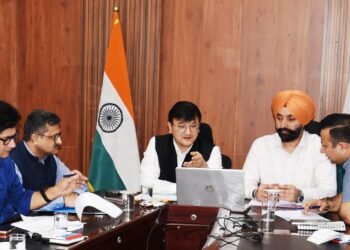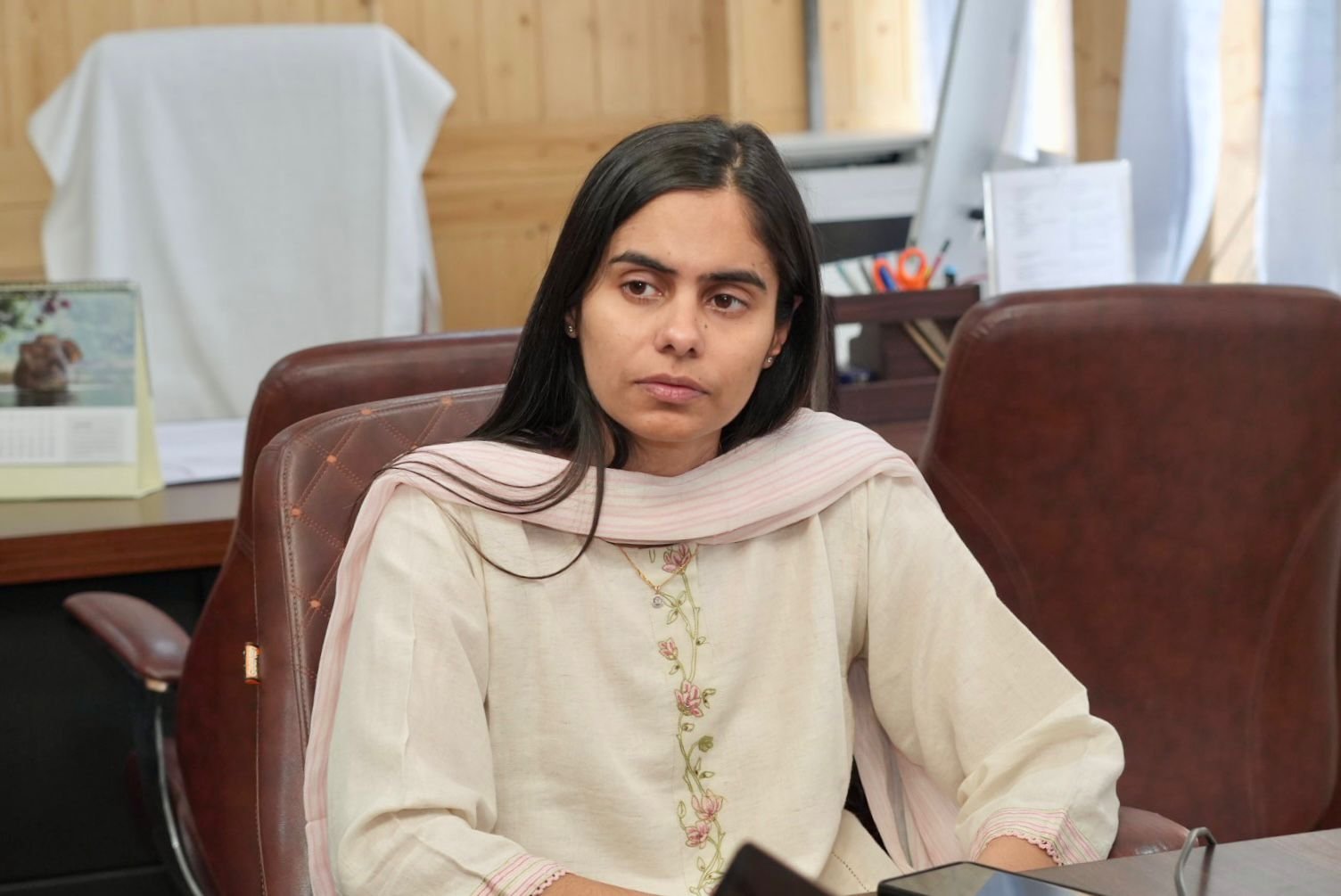
Leh, June 19, 2026: Administrative Secretary, Rural Development Department, UT Ladakh, Ms. Nidhi Malik, today chaired a comprehensive review meeting of the Ladakh Rural Livelihood Mission (LRLM) to assess the progress of livelihood interventions, institutional development, financial inclusion initiatives, and strategies for strengthening Self-Help Groups (SHGs) across the Union Territory.
At the outset, officers of the Mission presented a detailed overview of LRLM, including its organizational structure, human resource status, and implementation framework. The presentation highlighted that the Ladakh Rural Livelihood Mission was registered under the Societies Registration Act, 1860, on April 28, 2022, for implementing the Deendayal Antyodaya
Yojana–National Rural Livelihoods Mission (DAY-NRLM) in the Union Territory.
The meeting reviewed key components of the Mission, including institution building and capacity development, financial inclusion and SHG-bank linkage, social inclusion and social development, farm and non-farm livelihoods, Mahila Kisan Sashaktikaran Pariyojana (MKSP), Van Dhan Vikas Kendras (VDVKs), marketing initiatives, and the implementation status of the Lakhpati Didi programme. Officers also presented the Mission’s financial progress, budget allocations, digital monitoring systems, and status of data entry on the LokOS Management Information System.
It was informed that the Mission has facilitated the formation of 2,310 Self-Help Groups, 248 Village Organizations (VOs), and 18 Cluster Level Federations (CLFs) across Ladakh. The meeting also reviewed the status of savings mobilization, revolving funds, community institutions, credit linkages, and capacity-building initiatives undertaken for women-led livelihood enterprises.
While reviewing the functioning of SHGs and community institutions, Ms. Malik sought detailed information regarding savings practices, internal lending mechanisms, maintenance of records, conduct of meetings, audit systems, and financial management procedures. She stressed the need to strengthen credit linkages and ensure that eligible SHGs are able to access financial support for livelihood generation activities.
The Administrative Secretary emphasized that livelihood promotion efforts must move beyond group formation and focus on sustainable income generation for rural households. She directed officers to identify genuine requirements of SHGs and facilitate access to subsidized equipment, machinery, and common infrastructure wherever necessary to enhance productivity and support enterprise development.
Reviewing farm and non-farm livelihood activities, she stressed the importance of developing viable business models in sectors such as dairy, handloom, handicrafts, food processing, and traditional Ladakhi products. She instructed officers to strengthen branding, packaging, and marketing support mechanisms to improve market access and increase earnings of rural producers.
Officers from Kargil, who joined the meeting virtually, briefed the Administrative Secretary on the progress of livelihood activities under MKSP and VDVKs. Discussions were also held on value addition, enterprise development, revenue generation, and the utilization of grants and revolving funds provided to SHGs.
Ms. Malik directed the Mission authorities to explore stronger convergence with departments such as Handicrafts, Handloom, Industries & Commerce, and Cooperatives to create larger market opportunities for SHG products. She stressed that Ladakhi products should be showcased prominently during official events, exhibitions, conferences, and tourist gatherings to enhance visibility and create sustainable market demand.
Highlighting the need for professional marketing support, she instructed officers to explore partnerships with e-commerce platforms and digital marketplaces for wider promotion of locally produced goods. She also suggested establishing dedicated display and sales spaces at prominent public locations, including the upcoming new terminal at Kushok Bakula Rinpoche Airport, to provide greater exposure to products manufactured by SHGs.
The Administrative Secretary further encouraged the organization of training programmes, exposure visits, and participation in national-level fairs and exhibitions to equip SHG members with the skills required for entrepreneurship, product development, branding, and business management. She assured that the Administration would extend all possible support for capacity building and market expansion initiatives aimed at improving rural livelihoods.
Concluding the meeting, Ms. Malik emphasized that the ultimate objective of LRLM should be to transform Self-Help Groups into sustainable economic institutions capable of generating long-term income and employment opportunities for rural communities. She called upon all stakeholders to work collectively towards strengthening the rural economy and improving the socio-economic conditions of women and rural households across Ladakh.
The meeting was attended by the State Programme Manager, officials of the Ladakh Rural Livelihood Mission, and other concerned officers, while officers from Kargil participated through virtual mode.