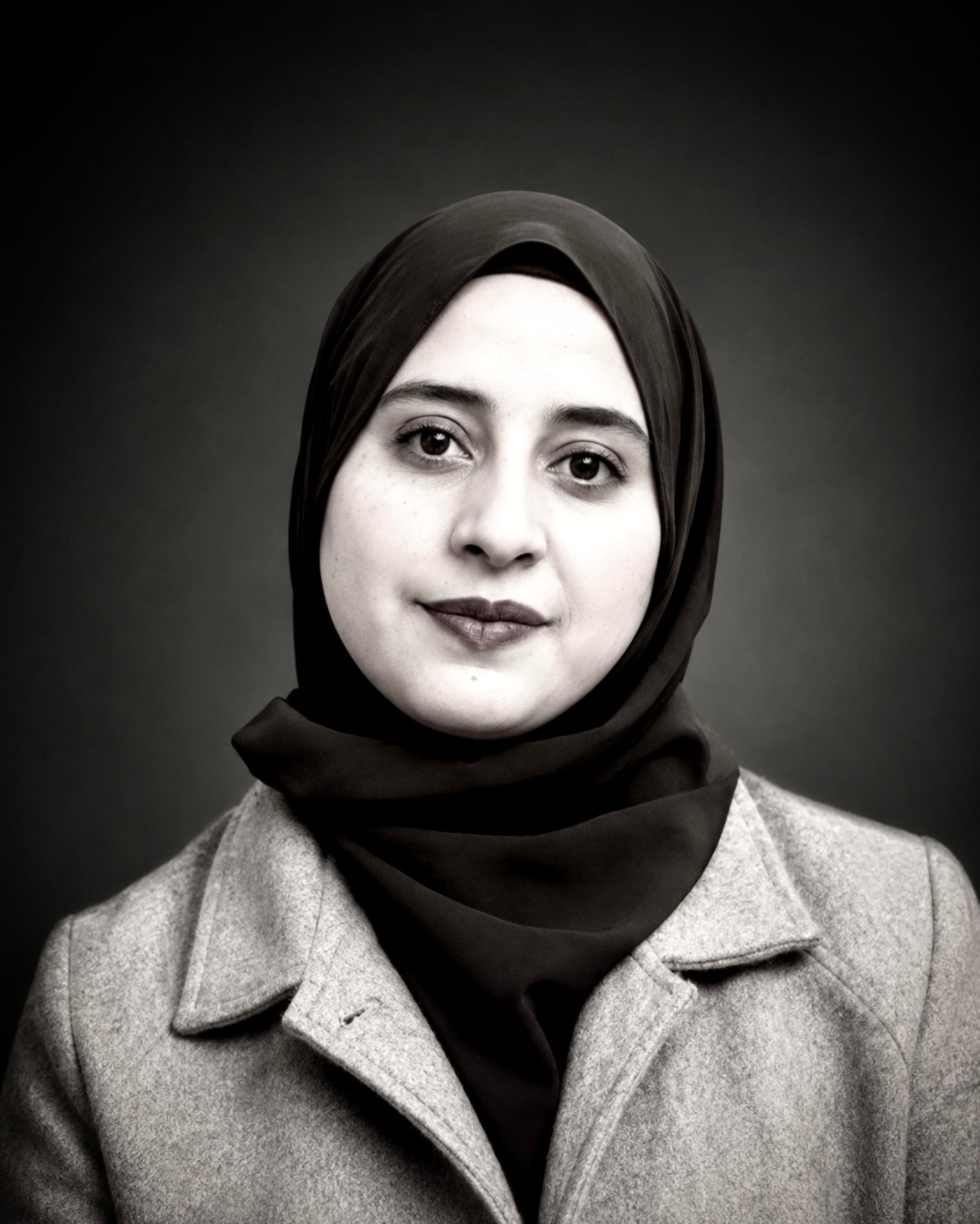
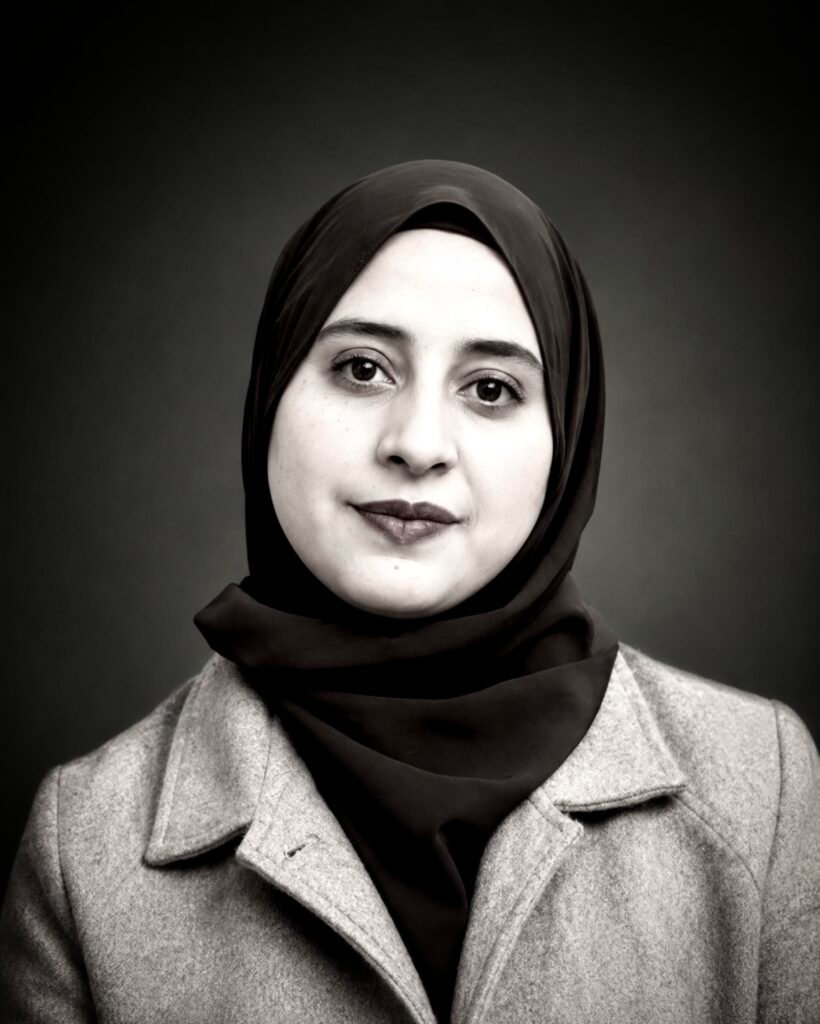
Sadaf Shabir / Asian Nama
When the cameras stopped rolling, they were left behind unpaid, unseen, and unheard.
By Sadaf Shabir, Old photographs, fading scripts, and quiet memories are all that remain of a time when women in Kashmir once lit up television screens. In the hushed homes scattered across the valley, a handful of former actresses still keep these fragments alive fragile proof that they once carried the region’s cultural soul.
For a brief but luminous period, they were household names on Doordarshan Kashmir, India’s public broadcaster. They performed in living rooms and village halls, gave voice to local folklore, and offered small windows of joy to an audience torn between art and armed conflict. But when the studio lights dimmed and productions stopped, the women who once defined Kashmiri entertainment found themselves trapped in silence.
Many have been waiting since 2010 for unpaid wages from government-backed shows that never released their dues. For them, acting was never a path to stardom, it was survival.
When militancy erupted across the valley in the early 1990s, Kashmir’s streets emptied and curfews became routine. Yet, behind the guarded gates of the Doordarshan television station in Srinagar, a quiet revolution was taking place.
A generation of Kashmiri women, many from conservative families, stepped in front of the camera for the first time. They hosted children’s programs, acted in serials, sang traditional songs, and spoke in Kashmiri, Urdu, and Hindi. They became storytellers in a time of fear, and their art modest and local as it was offered people a reason to gather around their TV sets each evening.
Among them was Joziya Mir, a name and face familiar to anyone who grew up in Kashmir during the 1990s. Acting wasn’t her dream it was her means of survival.
A resident of Srinagar’s Nawabazar, Joziya was the youngest among her elder sisters, with no brother to share the family’s responsibilities. “Our family was going through a really tough time,” she says softly. “My father passed away. My mother worked in a private school as a peon, struggling hard to make ends meet. One day, our neighbor asked if I wanted to do a program for Doordarshan. That one question changed my life.”
Joziya began her journey as a child artist. Her first paycheck ₹150 felt like a treasure. “With that money,” she recalls with a faint smile, “I felt like I was worth something. It meant I could help my mother.”
She studied only until the 10th standard before leaving school to support her family. “People never understand your helplessness,” she says. “I had to take responsibility for my home.” Despite not belonging to any film or theatre family, Joziya took the bold step of joining a local theatre. “My neighbours and relatives used to talk behind my back,” she remembers. “But when our house had no food, none of them came to help.”
Through the 1990s and early 2000s, her expressive eyes and gentle presence became a fixture on Doordarshan Kashmir in plays, music videos, and cultural programs that defined an era. Viewers adored her sincerity. But as the years went by, the lights dimmed.
“Doordarshan stopped making new shows. Productions were cancelled. The payments stopped coming,” she says. “We gave our whole lives to acting. But who will hire someone like me now? I have no degree, no other experience.”
Her struggles deepened when her husband also an artist faced the same lack of work. “I’ve had multiple surgeries,” she adds quietly. “There were days when we didn’t know how we would survive.”
She remembers brighter times. “Earlier, the work was good. We built our house, got my sister married, and even managed my mother’s treatment after her head surgery. Everything was fine. But then, everything shattered.”
With two children to care for, survival became a daily concern. “Now our only income comes from small theatre productions,” she says. “We get ₹1,000 or ₹1,500 for an entire play sometimes even less. Our travel expenses are more than what we earn. But what else can we do? This is all we know.”
The pandemic years made things worse. “We had no food, no work, no support,” she recalls. “My mother, a diabetic patient, was quarantined. My husband was also in isolation. I managed everything alone. Nobody even asked how we were doing.”
She looks around at the dozens of trophies and certificates that fill her modest home. “I have almost two lakh awards,” she says bitterly. “But awards can’t feed you. Everyone needs food, and food comes from money.”
Her voice breaks as she remembers her late friend, fellow artist Amreen, who lost her life in a tragic attack. “An artist’s life has no value here,” Joziya says. “I remember, just a day before she died, she came home with a big watermelon. I told her not to bring such gifts, but she said it was for my children. I made mutton kanti for her. She ate only a little and gave the rest to my kids. She said, ‘I’ll come again soon.’ But she never did. The next day, I got a call that she had been killed.”
The decline of Doordarshan did not only end careers, it erased a generation’s artistic identity.
Some women tried to adapt, turning to theater or social media. Others quietly withdrew, burdened by age, stigma, and unpaid dues. And then there were those like Amreen Bhat, who refused to fade into obscurity and paid the ultimate price.
On the evening of May 25, 2022, gunfire echoed through Chadoora, a small town in central Kashmir’s Budgam district. Inside a modest house, 30-year-old Amreen actress, YouTuber, and social media performer lay bleeding on the floor. Moments earlier, she had been talking to two men who claimed to want to book her for a performance.
According to her 11-year-old nephew, Farhan, the men pulled out guns when she began to question them. “She ran inside,” he told police later. “They followed her and shot her.”
A bullet grazed Farhan’s arm. Amreen was rushed to a nearby hospital but died before dawn.
Her killers, identified as newly recruited militants of the Pakistan-based group Lashkar-e- Toiba were killed by police two days later. But the loss left Kashmir’s artistic community shattered.
Amreen had been one of the few who successfully transitioned from the age of television to the digital era. With nearly 25,000 Instagram followers and 19,000 YouTube subscribers, she brought laughter and light to audiences through her sketches and vlogs. She lived with her ailing father and elder sister’s family, serving as the sole breadwinner.
“She was the only one who kept our house running,” her father, Kazher Ahmad Bhat, said after her death. “She made people smile, even when she was struggling herself.”
Amreen’s killing wasn’t just a personal tragedy; it marked another assault on artistic expression in a region where creativity has long been caught between politics and patriarchy.
When we talk about theatre in kashmir a name comes , Farhat Siddique before social media existed she was already pawing ways for women in theatre .
She was one of the first women from Srinagar’s old city, a neighbourhood known for its conservative values, to walk into Doordarshan’s studio. “I joined at a time when no girl from downtown had the courage to go there,” she says. “My relatives stopped talking to my family. They taunted my father for allowing his daughter to act on television. But I never looked back.”
Farhat began as a children’s show host, but a director soon spotted her talent and offered her a theatre role. “My first play, Tikki Laal, became a huge success,” she recalls, laughing. “People started calling me ‘Ice Cream’ on the streets that was my character’s name!”
She never had formal training. “I learned by watching others,” she says. “I joined the Kashmir Kala Manch Drama Club and performed in Baramulla, Anantnag, everywhere. During the Bud Shah Festival, I performed three to four plays a day. The director, Vaid Rahi, used to call me ‘Farhat Festival.’”
But when Doordarshan’s productions began to disappear, her career, too, began to unravel. “When Doordarshan shut its doors to us, it felt like a mountain had fallen on me,” she says.
Refusing to surrender, Farhat created her own drama group the Mehak Drama Club. “Some of my fellow artists joined me,” she explains. “But it’s hard to keep going when Doordarshan still owes us years of payment.”
She and her husband even left Kashmir for a while to find work. “We tried to survive,” she says. “But with YouTube and mobile entertainment taking over, theatre artists have nearly vanished. We occasionally get small projects from the Cultural Academy or Information Department. But Doordarshan? They have completely abandoned us.”
She pauses, her voice trembling. “We went to court as well but nothing has changed”.