Fisheries report flags ecological stress; SKUAST-Kashmir team to probe exact cause
Srinagar, Jun 9: Untreated sewage, waste accumulation and a possible bacterial infection are among the factors believed to have contributed to the recent mass fish mortality at Panzath Springs in Qazigund area of south Kashmir’s Anantnag district, according to a Fisheries Department report.
The assessment, prepared after fish deaths were reported during the first week of June, links the incident to worsening environmental conditions in the spring and says prolonged pollution may have left fish vulnerable to opportunistic infections.
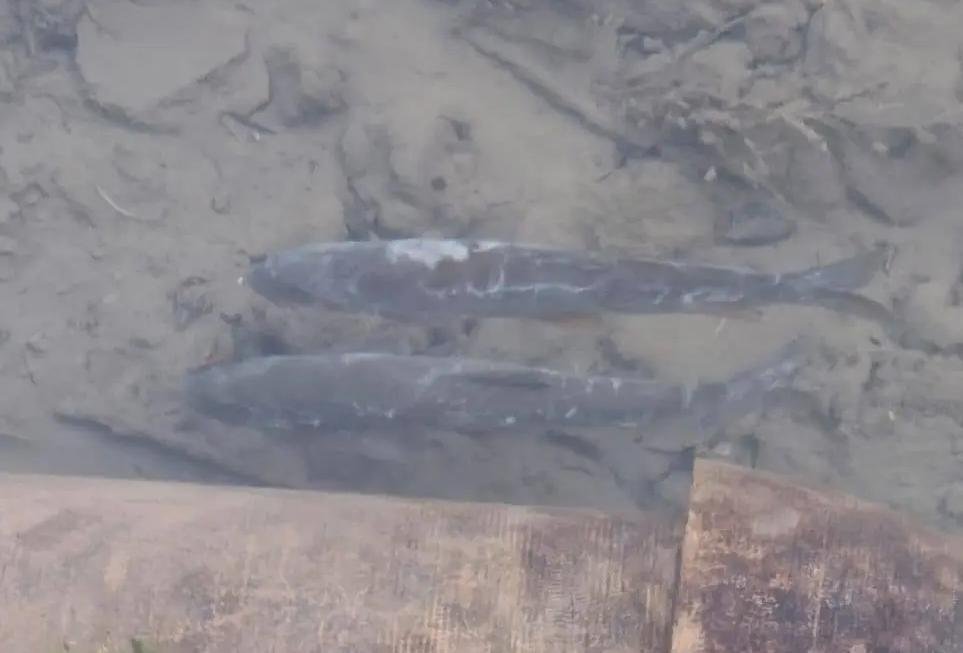
During field inspections, fisheries officials found dead indigenous cold-water fish of the Schizothorax genus at several locations within the spring.
According to the report, affected fish exhibited “white patches and haemorrhagic lesions on the body surface,” while examination of representative specimens found no visible abnormalities in internal organs.
The clinical signs were “suggestive of a bacterial infection, possibly caused by Aeromonas spp. or Pseudomonas spp.,” the report said, adding that the condition may have been complicated by a secondary fungal infection.
It cautioned, however, that the exact cause could only be established through laboratory examination and pathogen isolation.
The report identified pollution as a major concern and described the spring ecosystem as being under “considerable anthropogenic pressure.”
According to the assessment, household sewage from nearby habitations is being discharged directly into the spring.
Investigators also recorded the accumulation of plastic, polythene and other non-biodegradable waste, disposal of food items into the water body and washing of clothes within the spring.
“The cumulative effect of these activities is likely to have adversely affected the water quality and increased stress on the fish population, thereby predisposing them opportunistic bacterial and fungal infections,” the report said.
Assistant Director Fisheries, Anantnag, Shabir Ahmad, said deteriorating water quality had weakened the fish population and reduced their ability to withstand disease.
“The immunity is compromised and the fish are under stress due to oxygen depletion,” Ahmad said.
He said fungal infections associated with poor water quality were affecting fish, particularly around the tails and dorsal fins, eventually leading to deformities and death.
Following the incident, the department treated affected portions of the spring with potassium permanganate and benzalkonium chloride and carried out de-weeding and cleaning operations.
“Initial treatment using potassium permanganate has already been carried out. However, protecting the spring from pollution is also the responsibility of the local population,” Ahmad said.
The matter has been referred to fish health experts at SKUAST-Kashmir for scientific investigation and has also been reported to the National Surveillance Programme for Aquatic Animal Diseases (NSPAAD), according to the report.
An expert team from the Faculty of Fisheries at SKUAST-K’s Rangil campus in Ganderbal is expected to visit the area to ascertain the cause of the mortality and recommend further measures.
The department has recommended laboratory analysis of fish and water samples, regulation of sewage discharge, restrictions on waste disposal and washing activities, periodic water-quality monitoring and community awareness programmes.
The incident is the sixth reported case of mass fish mortality in Kashmir in the past six months.
Earlier this year, fish deaths were reported from the Nagbal springs of Sherbagh and Andernag in Anantnag, Chamgund stream in Kulgam, springs in Zainapora area of Shopian and later from Beehama in Ganderbal. A similar incident was reported from the springs at Martand in Mattan in December last year.
In all these incidents, indigenous Schizothorax species were among the affected fish.
Residents alleged that sewage from nearby households was being discharged directly into the spring and that plastic waste, polythene and leftover food were routinely dumped into the water body.
Manzoor Ahmad, a resident of the area, said villagers were shocked by the sight of dead fish floating in the spring.
“A large number of fish died in the spring. We witnessed it ourselves and it is heartbreaking. We hope the authorities identify the cause and take measures to prevent such incidents in future,” he said.
Locals also called for a proper waste-management mechanism, saying the absence of garbage collection facilities was contributing to pollution of the spring.
Panzath Nag, one of south Kashmir’s major freshwater multiple spring systems, supplies water to nearly 45 villages in the Qazigund area and supports irrigation as well as a government-run trout hatchery.–(GK)